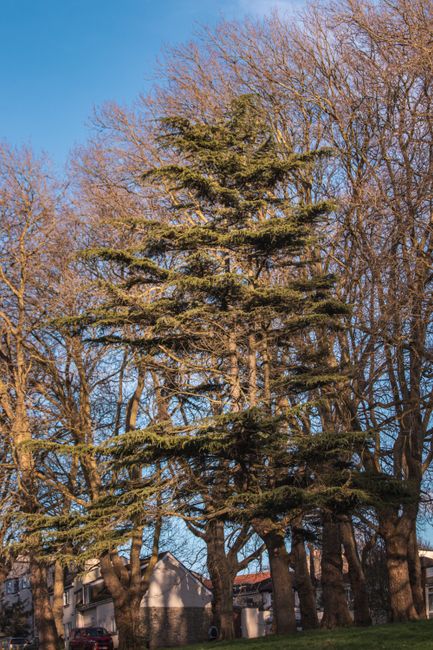
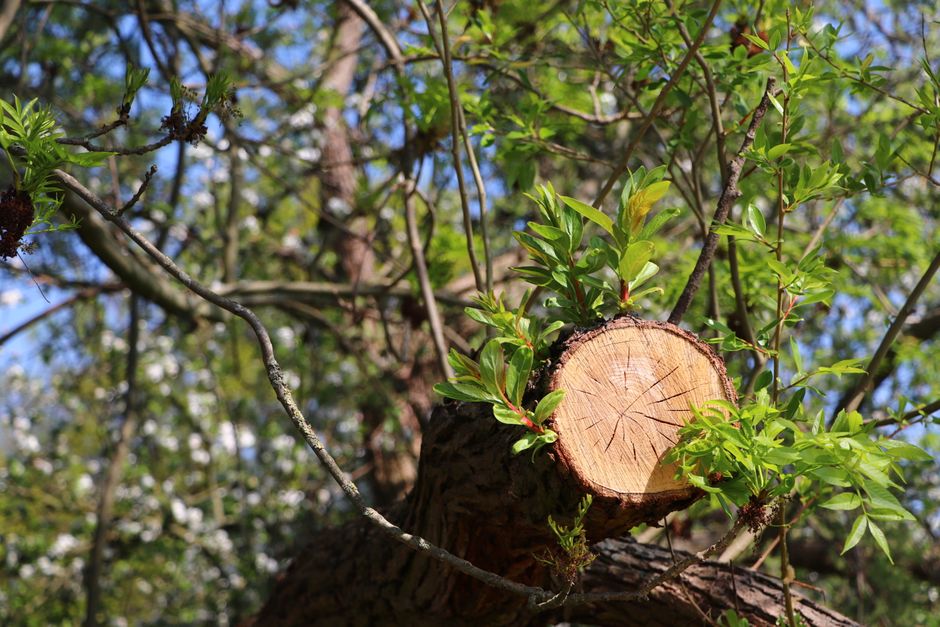
Waltham Forest Council tree work rules gardeners need to know
If you garden in Waltham Forest, tree work is one of those jobs that looks simple until it suddenly isn't. A quick trim can turn into a planning issue, a neighbour dispute, or a very expensive mistake if the tree is protected or the work is carried out badly. The Waltham Forest Council tree work rules gardeners need to know are not just for arborists or contractors; they matter to anyone who prunes, reduces, removes, or tidies trees for clients. In practice, that means understanding permissions, conservation constraints, safety duties, and when a job should be paused for proper checks. That little bit of caution saves hassle later. Usually a lot of hassle.
In this guide, we'll break down the rules in plain English, explain how the process tends to work, and show where gardeners commonly trip up. We'll also cover best practice, practical checklists, and the sensible steps to take before you touch a branch. If your work overlaps with larger garden jobs, it may also help to review our garden maintenance services, hedge trimming support, or tree lopping and removal options as part of a broader job.
Table of Contents
- Why these tree work rules matter
- How the rules work in practice
- Key benefits and practical advantages
- Who needs this guidance
- Step-by-step guidance
- Expert tips for better results
- Common mistakes to avoid
- Tools, resources and recommendations
- Law, compliance, standards and best practice
- Options, methods, or comparison table
- Case study or real-world example
- Practical checklist
- Conclusion
- Frequently asked questions
Why Waltham Forest Council tree work rules gardeners need to know Matters
Tree work is not the same as mowing a lawn or cutting back a bed edge. Trees can be protected by planning controls, affected by conservation area rules, or subject to broader legal duties around safety and neighbour relations. If you work in domestic gardens, that matters because the person who asked for "just a tidy-up" may not realise the tree is legally sensitive. You can't always rely on what the client says, either. People often assume a tree on private land is fair game. It isn't always.
For gardeners, the risk is not only enforcement. It's reputation. One poorly judged prune can leave a tree thin, unbalanced, or stressed, and the client is left with a mess they'll remember. If the work damages wildlife habitats, roots, or the structure of the tree, the fallout can be bigger still. In busy London gardens, where mature trees and tight boundaries are common, a cautious approach is usually the professional one.
There's also the practical side. Knowing the rules helps you plan jobs properly, price them honestly, and decide when to bring in specialist help. That makes your work smoother and, frankly, more trustworthy.
How Waltham Forest Council tree work rules gardeners need to know Works
The exact rule set depends on the tree, the site, and the type of work. In plain terms, before any non-routine tree work is done, you need to ask a few questions:
- Is the tree protected by a Tree Preservation Order, often called a TPO?
- Is the property within a conservation area?
- Is the work only basic maintenance, or does it change the tree's shape, size, or safety?
- Is there deadwood, decay, storm damage, or a structural problem that needs special attention?
If the tree is protected, the work normally needs formal consideration before it starts. The details can vary, so do not guess. That's the bit many gardeners get wrong, especially when a client is keen to move quickly because the branches are "getting in the way of the light." Convenient, yes. Permitted? Not automatically.
In everyday terms, routine light maintenance may be less sensitive than heavy pruning or removal, but that still doesn't mean it is automatically exempt. The safest habit is to identify the tree, assess the setting, and check whether council approval, notice, or expert advice is needed. If you are working as part of a larger garden project, keeping everything coordinated with landscape gardening or landscaping work can avoid last-minute surprises.
Here's the simple version: if the job could materially affect the tree, don't assume it's routine. Pause, check, then proceed. That one habit saves a lot of awkward calls later.
Key Benefits and Practical Advantages
Following the local tree work rules is not just about staying out of trouble. It makes your gardening service better. You end up giving clearer advice, setting better expectations, and reducing the chance of damage to trees that may have been in place for decades.
- Better client trust: clients feel reassured when you explain why a check is needed before pruning.
- Fewer delays: identifying restrictions early avoids stopping a job halfway through.
- Safer working: protected trees are often mature trees, and mature trees can hide decay, cavities, or weak unions.
- Cleaner project planning: tree work can be sequenced with hedge trimming, garden clearance, or lawn restoration.
- Reduced legal risk: you are less likely to carry out work that could lead to complaints or enforcement.
Expert summary: The biggest advantage of knowing the council rules is not paperwork. It is confidence. You can look at a tree, ask the right questions, and decide whether the job is simple, sensitive, or specialist.
There's a second benefit people miss: better results. A tree handled with restraint often recovers better than one that has been hacked back because "that's what we always do." To be fair, a tidy finish matters, but a living tree is not a hedge. It should be treated like a living structure, because it is one.
Who This Is For and When It Makes Sense
This guidance is for gardeners, garden maintenance teams, landscape contractors, and property managers working in Waltham Forest. It is especially relevant if you:
- prune trees in private gardens
- remove low branches near paths, fences, or sheds
- carry out seasonal maintenance on mature trees
- quote for clearance jobs that include woody growth
- manage multiple gardens and need a repeatable checking process
It also makes sense for homeowners who hire gardeners regularly. A quick conversation before the work starts can stop a lot of trouble. If the job is beyond straightforward pruning, or if the tree appears large, old, or protected, it is often wise to involve a specialist service. Our services overview can help if you want to see how tree work fits alongside wider garden care.
Some jobs seem small but are actually sensitive. A branch overhanging a neighbour's drive, a tree close to a boundary wall, or a canopy over a roof can all bring extra considerations. You know how it goes: the "tiny job" is sometimes the one with the most strings attached.
Step-by-Step Guidance
If you need a practical way to approach tree work in Waltham Forest, use this sequence. It is simple, but it works.
- Identify the tree: note the species, approximate height, age, and location.
- Check the setting: look for conservation area indicators, boundary issues, and nearby structures.
- Assess the work proposed: is it a small prune, shaping, crown reduction, deadwood removal, or full removal?
- Decide whether specialist advice is needed: if the tree is large, unsafe, or possibly protected, stop and verify.
- Document the job: keep notes, photos, client instructions, and any permission details.
- Plan the method: choose tools, access points, waste handling, and safe working distances.
- Carry out the work carefully: avoid overcutting and follow good arboricultural practice.
- Review the result: check stability, appearance, and whether follow-up care is needed.
If the tree work is part of a larger tidy-up, a combined visit with garden clearance or hedge trimming can make the site more efficient. One van, one visit, fewer footprints on the lawn. Nice when it comes together properly.
And yes, the paperwork bit matters. A few photos taken before and after can be surprisingly useful. Not glamorous, but useful.
Expert Tips for Better Results
Good tree work in a regulated setting is about judgment more than force. The following habits tend to separate a competent job from a messy one.
- Start with restraint. Cut less than you think, then reassess. You can always take more off, but you cannot put it back.
- Respect the tree's shape. A tree is not a shrub. If you turn a canopy into a flat dome, the result may look tidy for a week and awkward for years.
- Look for stress signs. Leaning stems, split unions, fungal growth, and dead upper branches can change the whole risk picture.
- Plan for waste. Branches, brash, and timber can take up far more space than clients expect.
- Keep neighbours in mind. Noise, access, overhanging growth, and debris can quickly become relationship issues.
- Match the equipment to the task. Not every job needs big saws. Sometimes hand tools are cleaner and safer.
One small but important tip: if you are not sure whether the work is a maintenance prune or something more substantial, describe it conservatively. "Reduce this tree by a bit" sounds casual, but "reduce" may mean a very specific kind of intervention. The wording matters more than people think.
And if you are dealing with waste from a broader garden tidy, using recycling and sustainability practices can keep the job more responsible and easier to explain to clients who care about disposal.
Common Mistakes to Avoid
The biggest mistakes are usually the simple ones. They happen because the job feels routine, not because people are careless on purpose.
- Assuming no permission is needed. That is the classic one. A tree can look ordinary and still be protected.
- Over-pruning. Heavy cuts can stress trees and make regrowth weak, dense, or badly balanced.
- Ignoring conservation area sensitivity. Even if the tree is not TPO-protected, local controls may still apply.
- Failing to record instructions. A client saying "take a bit off" is not enough if there is later disagreement.
- Working too close to structural features. Roots, walls, paving, and drainage can all be affected by careless work.
- Using hedge-style thinking on trees. That habit causes more bad pruning than almost anything else.
There is also the human mistake of being too eager to please. We've all seen it: the gardener wants to be helpful, the client wants speed, and nobody wants to be the one saying, "Hold on, let's check this properly." But that pause is often the professional move.
If tree work is becoming a recurring part of your workload, it may be worth aligning your safety procedures with the standards set out in our health and safety policy and insurance and safety information. Those pages are useful for setting expectations before the ladder comes out.
Tools, Resources and Recommendations
You do not need a huge kit to handle every gardening job, but you do need the right tools and a sensible workflow. For basic tree care and assessment, the following are commonly useful:
- hand pruners and loppers for small growth
- a pruning saw for cleaner cuts on thicker branches
- pole tools for limited reach, used carefully
- gloves, eye protection, and sturdy footwear
- note-taking or photo recording for job documentation
- tarps or ground protection for waste and debris control
For larger jobs, access equipment and specialist cutting tools may be required, but only when the operator is trained and the work is justified. A garden with a patio, decking, and tight side access can change everything in a hurry. If the job involves surrounding hard landscaping, it may be useful to review decking services and broader landscaping support, especially where trees and built features sit close together.
Useful resources inside your own process are often more valuable than fancy tools. A simple pre-work checklist, a photo log, and a clear client sign-off can reduce misunderstandings fast. Not exciting. Very effective.
Law, Compliance, Standards, or Best Practice
For tree work in Waltham Forest, compliance is usually about a mix of council controls, general UK planning considerations, safe working practice, and professional judgment. The precise legal steps can vary with the tree and location, so it is wise to treat every potentially sensitive tree as a check-first job rather than a guess-first job.
Best practice generally means:
- checking whether the tree may be protected before work starts
- keeping records of what was assessed and why
- using proportionate pruning methods
- working safely around structures, people, and vehicles
- avoiding unnecessary removal where a lighter intervention will do
Where a tree looks unsafe, decayed, or storm-damaged, do not rush. A professional assessment is usually the sensible route. That is especially true if the tree may be subject to local controls or if the proposed work would materially alter its size or appearance.
In practice, the best standard is the one that keeps the tree healthy, the client informed, and the work defensible if anyone asks questions later. That is a good rule for most garden trades, honestly.
Options, Methods, or Comparison Table
Not every tree-related job should be handled the same way. Here is a simple comparison to help gardeners decide what kind of approach fits the situation.
| Method | Best for | Key advantage | Main caution |
|---|---|---|---|
| Light pruning | Minor shaping, small growth correction, general tidying | Low impact, quick finish | Still needs checking if the tree is protected |
| Selective crown work | Reducing congestion or improving structure | Can improve balance and light without overcutting | Needs good judgment and the right timing |
| Deadwood removal | Safety and maintenance where branches are clearly dead | Reduces risk and tidies appearance | Should not become an excuse for broader heavy pruning |
| Removal | Unsafe, unsuitable, or severely compromised trees | Solves the issue completely | Usually the most sensitive option and often the most regulated |
For most domestic gardens, light and selective work are the preferred first options. Removal should usually be the last resort, not the default. If clients ask for removal because leaves fall in autumn, well, that is nature doing its thing.
Case Study or Real-World Example
A typical local scenario goes like this. A gardener is asked to tidy a mature tree at the back of a terraced garden. The client wants "just a quick cut back" because branches are shading the patio and brushing the fence. On inspection, the tree is taller than expected, close to a boundary, and clearly part of an older streetscape. The gardener pauses, takes photos, and checks whether the tree might be protected or in a sensitive area before any cutting begins.
That small pause changes the whole job. Instead of starting with a saw and hoping for the best, the gardener speaks to the client, explains that the tree needs proper checking, and suggests a phased approach. A lighter prune is planned, the waste is removed cleanly, and the client is shown why less was more. The garden still looks better, but the tree keeps its structure and the job stays tidy.
Now imagine the alternative: a quick overcut on a Friday afternoon, a few awkward messages on Monday, and a tree that looks stripped for months. No one wants that. The better route is often slower at the start, but it pays off.
Practical Checklist
Use this quick checklist before you begin any tree work in Waltham Forest.
- Confirm the tree species and size if possible.
- Check whether the tree may be protected or in a conservation area.
- Define the exact work requested in plain terms.
- Take before photos and note the site conditions.
- Assess access, overhead hazards, and nearby structures.
- Decide whether the job is routine or specialist.
- Explain any limitations to the client before cutting starts.
- Use the lightest effective method first.
- Manage waste, branches, and debris safely.
- Review the result and record what was done.
If you want to keep bigger jobs organised, it can help to pair tree work with ongoing maintenance so seasonal issues are caught earlier. That way, you are not always reacting at the last minute.
Quick takeaway: check first, cut second. It sounds obvious, but it is the difference between a tidy professional job and an avoidable headache.
Conclusion
Waltham Forest Council tree work rules gardeners need to know are really about good judgment, careful checking, and respect for the trees you work on. If you understand when a tree may be protected, when work should be paused, and when specialist help is needed, you will make better decisions and give clients a better service. You will also protect your own reputation, which matters just as much as the finished garden.
Whether you are tidying a small back-garden tree or planning a larger pruning job, the safest approach is simple: identify the tree, check the constraints, document the plan, and use the least disruptive method that still gets the job done. That is the steady, professional way. No drama. Just good work.
Get a free quote today and see how much you can save.
And if you are juggling tree work alongside bigger garden projects, it may be worth exploring our wider services overview or learning more about the team on the about us page. A well-run garden is rarely one job, after all. It is a sequence done properly, one step at a time.
Frequently Asked Questions
Do I need permission for every tree job in Waltham Forest?
No, not every job needs formal permission, but you should never assume a tree is unrestricted. Protected trees, conservation area trees, and more substantial pruning jobs may need checks before work starts.
How do I know if a tree has a Tree Preservation Order?
You usually need to check the tree's status before work begins. If there is any doubt, treat the tree as potentially protected until verified. That is the safer route for gardeners and clients alike.
Is light pruning usually allowed without council involvement?
Sometimes, but not always. Light pruning may be routine in many gardens, yet protection status and location still matter. The key is to assess the tree first rather than assume.
What should a gardener do before cutting a tree in a front garden?
Check whether the tree may be protected, confirm the exact work requested, take photos, and make sure the proposed cut is proportionate. Front gardens can still contain sensitive trees, especially in older parts of Waltham Forest.
Can I remove dead branches without special checks?
Deadwood removal is often part of sensible maintenance, but it should still be assessed properly. If the tree is protected or the work is more extensive than it first appears, you should pause and verify.
What is the biggest mistake gardeners make with tree work rules?
Assuming the tree is "just in a private garden" and therefore unrestricted. That assumption causes more trouble than almost anything else. A tree can be protected wherever it stands.
Should I take photos before and after tree work?
Yes, absolutely. Photos are simple evidence of the condition of the tree, the work requested, and the final result. They are very useful if a question comes up later.
What if the client insists the tree needs cutting back immediately?
Stay calm and explain that checks come first if the tree may be protected or the work is substantial. A rushed job can create bigger problems than a short delay. Most reasonable clients will understand when it is explained clearly.
Are tree work rules different from hedge trimming rules?
Yes, they can be. Hedges are usually managed differently from trees, and the standard of care is not the same. That is why using the right service, such as hedge trimming for hedges and proper tree care for trees, matters so much.
When should a gardener refer the job to a specialist?
If the tree is large, visibly unsafe, likely protected, or located near buildings, walls, or services, specialist input is the sensible choice. It is better to refer early than to make a wrong call on site.
Can tree work be combined with general garden maintenance?
Yes, and often it should be. Many jobs are more efficient when tree care is scheduled alongside garden maintenance, clearance, or other seasonal tasks. That saves time and helps the whole garden feel more coherent.
What should I do if I'm still unsure after checking the basics?
Stop and seek proper advice before proceeding. Uncertainty is not a failure; it is a signal to slow down. In tree work, that is usually the smart move.