Gardening Services in Chingford

Our gardening services in Chingford are built around practical outdoor care for homes and properties that need a tidy, healthy, and manageable garden. We provide straightforward help with regular maintenance, one-off clearances, hedge trimming, lawn care, and wider landscaping tasks where a fresh layout or improved finish is needed. The aim is simple: keep the garden looking cared for, usable and suited to the way you want to enjoy it.
We handle gardens that need routine attention as well as spaces that have grown over and need a more considered approach. That can mean cutting back soft growth, restoring shape to hedges, improving a tired lawn, or removing unwanted vegetation before new planting or surfacing work begins. If you are comparing options, clear scope and sensible planning usually make the biggest difference to the outcome.
Whether you want a regular visit or a single project, our work is focused on the visible condition of the garden and the tasks that keep it under control. If you already know what needs doing, you can request a quotation and outline the areas that need attention. If you are still deciding, it helps to start with the most urgent parts and build the rest from there.
Garden maintenance for tidy, usable outdoor spaces
Garden maintenance is often the most effective way to keep everything in step through the seasons. This service can include mowing, edging, weeding, leaf clearance, general cutback and light tidying around borders, paths and boundaries. It is useful for gardens that are already arranged the way you like them, but need regular care so the plants, grass and hard surfaces do not drift into a neglected state.
Our maintenance approach is practical rather than ornamental. We pay attention to the work that makes a garden function well day to day: keeping access clear, reducing obvious overgrowth, and making sure the space looks neat from the house and from the street. If you want to compare this with a larger project, our garden maintenance page explains the kind of ongoing care that suits established gardens.
What routine care can cover
Maintenance jobs are usually chosen for reliability and visual order. Depending on the garden, that may mean keeping the lawn in shape, removing weeds before they spread, cutting back plants that are overhanging a path, or refreshing borders that have become untidy. In many cases, small regular tasks prevent larger issues later, especially when growth is quick in warmer weather.
Lawn mowing, edging and lawn care

A neat lawn often sets the standard for the whole garden, so mowing and light lawn care are central to many visits. Good mowing practice is about more than cutting grass short: it also involves keeping an even finish, managing awkward edges and avoiding a rushed result that leaves patches looking uneven. A well-kept lawn can make borders, paving and planting appear much more orderly.
We can help with regular mowing as well as lawns that need a more careful reset after being left for a while. Depending on the condition of the turf, the work may involve removing clippings, trimming around the perimeter, and balancing the cut so the grass remains healthy rather than scalped. If the lawn is part of a broader tidy-up, the service can sit alongside hedge work or clearance.
For gardens that need more than mowing alone, it is sensible to think about the surrounding surfaces and edges too. Grass that spills over paving or fencing can make a space look unfinished, so attention to the outline matters. When you are ready, lawn mowing is one of the simplest ways to begin restoring order without changing the whole garden layout.
Hedge trimming and boundary shaping
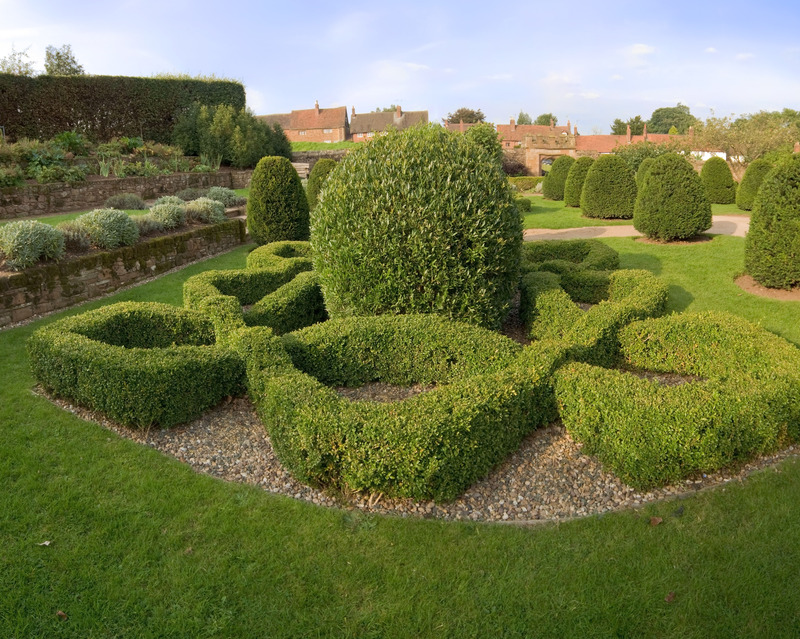
Hedge trimming is valuable when you want boundaries to look controlled, level and well proportioned. Trimmed hedges help define a plot, frame planting and keep access routes clear. They also stop growth from leaning into paths, drives or neighbouring areas. The work can be light shaping or a more significant reduction in size, depending on the plant and how long it has been left.
Different hedges call for different handling, and a careful cut is important if you want healthy regrowth as well as a smart appearance. We work with the natural line of the hedge rather than forcing an artificial shape where it does not suit the planting. If the hedge forms part of a larger border or screening arrangement, the result should look balanced from both near and far.
For properties where hedge growth is mixed with general overgrowth, it can help to combine trimming with wider garden work. The hedge trimming service suits gardens that need sharper outlines, better light and more space around the edges, while keeping the overall look tidy and controlled.
Garden clearance for overgrown or cluttered spaces

Garden clearance is suited to outdoor areas that have become difficult to use because of excess growth, dropped material or accumulated waste. This can include cutting back brambles, removing unwanted plants, clearing old garden debris and opening up areas that have been buried under growth. It is a useful starting point when a garden needs to be made workable before regular care or redesign can begin.
Clearance work often needs a clear plan so the right things are retained and the unwanted material is removed efficiently. That may involve separating plants that can stay from those that need to go, dealing with dense patches at the back of a boundary, or clearing space around sheds, beds and access points. We also consider how the remaining space should be left so it can either be maintained more easily or prepared for further improvement. For a fuller overview, see garden clearance.
- Removing bulky green waste and loose debris
- Cutting back dense and tangled growth
- Opening paths, corners and access points
- Preparing the ground for later gardening or landscaping work
Landscaping and practical garden improvements
Landscaping covers work that changes how a garden is arranged, not just how it is maintained. It can be useful when the layout no longer suits the property or when a tired outdoor area needs clearer structure. Depending on the project, that may involve reshaping planting areas, improving levels, introducing new surface areas or creating a cleaner divide between lawn, beds and paths.
Good landscaping is usually planned around function as well as appearance. A useful design should make movement through the garden easier, reduce awkward corners and sit comfortably with the scale of the space. That is why we look at how the area is used before deciding on the best approach. If the work is more about a refreshed layout, landscaping can provide the structure that maintenance alone will not achieve.
Some customers want only a subtle improvement, while others need a more noticeable transformation. In either case, the work should suit the property rather than overload it with features. The right balance of planting, open space and edging can make the garden more usable without making it feel crowded or difficult to look after.
Landscape gardening with planting and form

Landscape gardening sits between maintenance and full redesign. It usually focuses on the form of the garden: how beds are arranged, where planting sits, how borders are shaped and how different areas connect. This kind of work is particularly helpful when you want the garden to feel more settled, more coordinated or easier to manage across the year.
Planting choices and layout matter because they affect both the look of the garden and the amount of care it needs afterwards. A well-planned space should suit the light, the boundaries and the way the garden is used. It should also avoid cluttering the available room. Where appropriate, we can help shape the result so that the planting has room to establish and the overall design feels coherent. More detail is available on our landscape gardening page.
Useful landscape gardening often comes down to small but decisive choices: where to soften a line, where to keep a clear edge, and where to allow planting to do the visual work. Those details help the garden feel finished without making it fussy or overcomplicated.
Tree lopping and removal where growth needs attention
Trees can add shape and screening to a garden, but they also need attention when branches become awkward, growth blocks light or a tree no longer fits the space. Tree lopping and removal are more specific services than general tidying, and they are best considered when pruning alone is not enough. The work may involve reducing overextended sections or removing a tree that has become unsuitable for its setting.
Because trees affect structure, shade and access, the approach needs to be measured. It is important to consider the surrounding plants, nearby boundaries and the final look of the space before work begins. Where the tree is part of a wider garden that also needs tidying, it may make sense to plan the cutback alongside other improvements so the result feels consistent. If this is the kind of work you need, the tree lopping and removal page gives a clearer route to that service.
Tree work often changes the feel of the whole garden, not just the area around the trunk. Reducing overcrowding can improve light and make the rest of the planting easier to manage, while removing a problem tree can free up options for future use of the space.
Decking and usable outdoor surfaces
Decking can give a garden a defined sitting or circulation area, especially where a level surface is useful for day-to-day use. It works well as a feature near the house, around a seating zone or as a link between different parts of the garden. The finish matters here: decking should look neat, feel practical underfoot and complement the rest of the outdoor space rather than competing with it.
When decking is included in a garden project, it usually needs to be considered alongside the surrounding layout, steps, borders and access routes. The relationship between hard surfaces and planting is important because it affects both appearance and maintenance. If you are thinking about a new surface or a replacement, our decking services page covers that work in more detail and shows how it can fit within a broader garden plan.
Decking is often chosen to create a cleaner, more defined zone that can be used comfortably without requiring the entire garden to be rebuilt. That makes it a useful option where a modest change in structure can make the space feel more practical and better finished.
How quotations are prepared and what to consider

Quotation work is usually most useful when it reflects the actual condition of the garden and the tasks involved, rather than offering a generic estimate. The main factors are often the size of the area, the level of overgrowth, access to the space, the amount of material that needs removing and whether the work is routine care or a larger project. Clear detail at the start helps the quotation match the job more closely.
Two practical steps are especially helpful when you request a price: first, identify the main outcome you want, such as a tidy lawn, cleared borders or a reshaped hedge; second, note anything that affects access or scope, such as narrow side passages, hidden corners or sections that need to be left untouched. If useful, you can view pricing and quotes guidance before you make contact. Then you can ask for the work to be assessed against what is actually required.
Ready to get started? Please send through the basic details of the garden and the service you need, and we can take it from there. If the job involves several tasks, it is usually better to mention them together so the quotation covers the full scope.
About Chingford
Chingford is a district in the London Borough of Waltham Forest, on the north-eastern edge of Greater London, where the built-up area meets the open ground of Epping Forest. Historically part of Essex, it developed from a settlement recorded in medieval sources into a suburban district shaped by rail links and later residential expansion. The area includes both the older centre around Station Road and more recent residential streets that spread across the slopes towards the forest. Chingford is often associated with Queen Elizabeth’s Hunting Lodge, a surviving Tudor timber-framed building from 1543 that stands near the forest edge and is now a well-known heritage feature. To the east and north, Epping Forest provides one of the most distinctive landscapes in the locality, with ancient woodland, open glades and routes used for walking and cycling. Chingford Plain and the surrounding heights give wide views across London, while Connaught Water and nearby woodland paths add a quieter natural character to the area. The district also has local shopping streets, transport links and long-established residential neighbourhoods, making it a place where urban and wooded settings sit closely together. That contrast has helped shape Chingford’s identity: part suburban, part woodland fringe, with an everyday pattern of homes, parks, history and open space all within easy reach of one another.