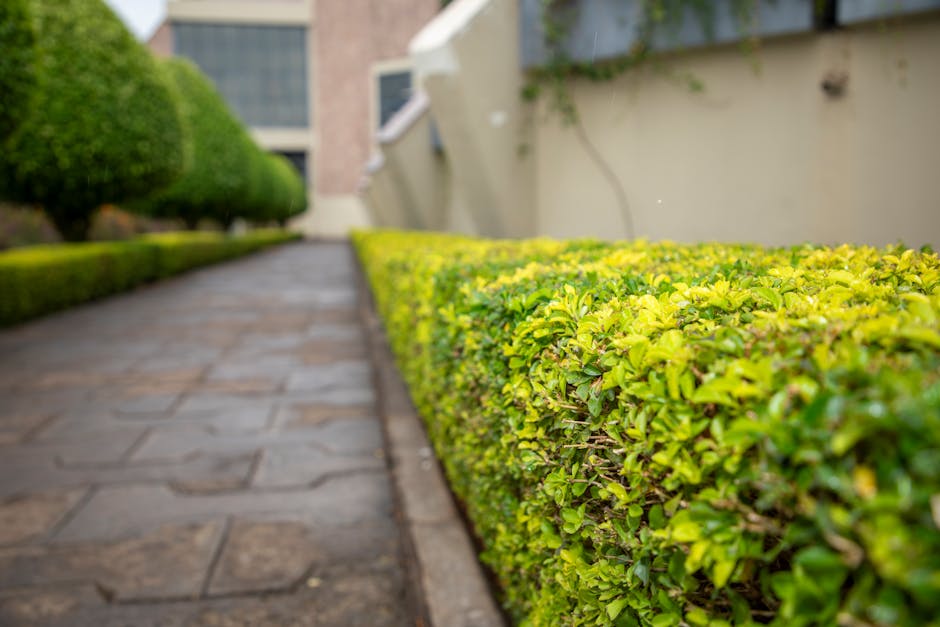
Old Church Road garden maintenance guide for terraces
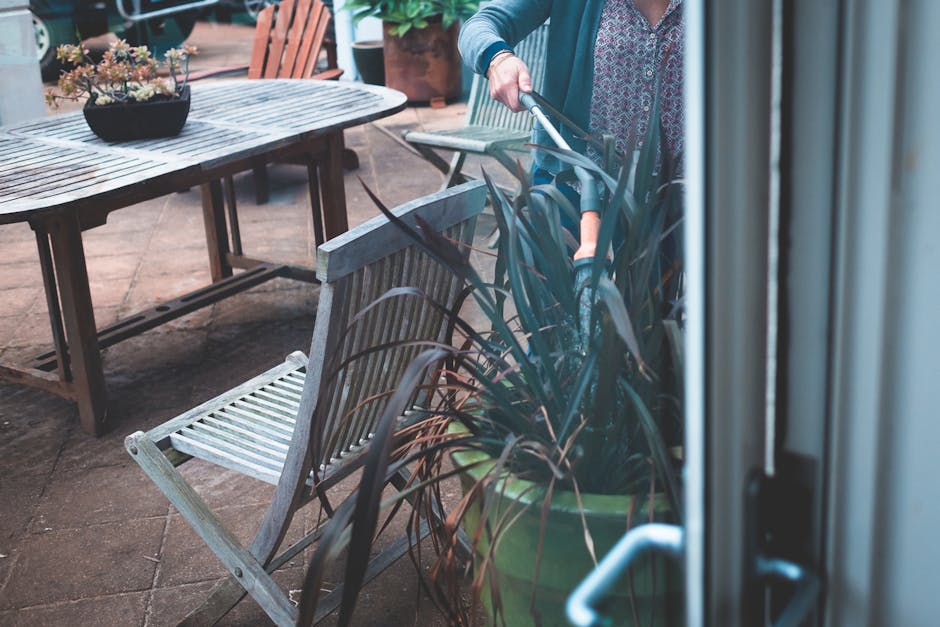
If you live in a terrace on or around Old Church Road, you already know the garden can be a blessing and a bit of a puzzle. Space is tight, access may be awkward, neighbours are close by, and every square metre has to work hard. This Old Church Road garden maintenance guide for terraces is designed to make that feel manageable, not overwhelming. You'll find practical routines, realistic seasonal advice, and the small details that keep a terrace garden looking tidy, calm, and genuinely usable.
Terrace gardens are different from larger plots. They need sharper planning, more regular upkeep, and a slightly different mindset. A few smart habits can save you hours later on. And, to be fair, they often make the whole outdoor space feel bigger than it really is.
Whether you want to keep a small paved yard neat, improve planting in a narrow strip, or decide when to bring in professional help, this guide walks through the essentials without the fluff.
- Why it matters
- How terrace garden maintenance works
- Benefits and practical advantages
- Who this guide is for
- Step-by-step maintenance guidance
- Expert tips
- Common mistakes to avoid
- Tools and recommendations
- Law, compliance and best practice
- Options and comparison
- Real-world example
- Practical checklist
- Conclusion
- Frequently asked questions
Why Old Church Road garden maintenance guide for terraces Matters
Terrace gardens tend to show neglect quickly. A few dropped leaves, some moss on paving, a hedge left too long, and the whole space starts to feel smaller and less welcoming. On a terrace, there is nowhere for mess to hide. That is exactly why a steady maintenance approach matters more than occasional big clear-ups.
In practical terms, a terrace garden needs three things: control, consistency, and good use of space. Control means keeping growth, clutter, and drainage under check. Consistency means lighter, regular upkeep rather than waiting until everything has run away from you. Good use of space means every pot, path, planter, fence line, and seating area should earn its place.
This is especially relevant where homes are close together. A well-kept garden reduces leaf build-up, avoids overgrowth spilling into shared boundaries, and keeps access clear for bins, bikes, and the everyday back-and-forth that terrace living brings. It also helps protect surfaces from damp buildup, which is no small thing in the UK climate. One wet week and you can suddenly spot slippery algae everywhere. Annoying, yes. Familiar, also yes.
If your terrace garden includes more structural features, such as decking or boundary planting, you may also want to think about broader upkeep through professional garden maintenance support or, where layouts are being improved, garden landscaping services.
How Old Church Road garden maintenance guide for terraces Works
Terrace garden maintenance is usually best treated as a cycle, not a one-off job. The basic idea is simple: tidy, inspect, prune, clean, and reset. Then repeat before small jobs become expensive ones. That does not mean heavy work every week. It means knowing what to look for and when.
A typical terrace maintenance routine follows the rhythm of the seasons:
- Spring: clear winter debris, feed soil, cut back tired growth, check planters, and refresh mulch or compost.
- Summer: water consistently, mow lawns where present, deadhead flowers, keep edges sharp, and watch for fast-growing hedges or climbers.
- Autumn: remove leaves, protect pots, reduce slippery buildup on paving, and prepare plants for colder weather.
- Winter: inspect drainage, trim only where appropriate, keep paths clear, and avoid unnecessary foot traffic on waterlogged soil.
That seasonal cycle matters because terrace gardens are often exposed to a mix of shade, reflected heat, runoff from walls, and restricted airflow. Plants can dry out fast in one corner and stay soggy in another. A maintenance plan that works on a larger suburban lawn can fall apart here.
For many households, the best results come from combining simple DIY routines with occasional specialist visits. For example, you might handle light sweeping and deadheading yourself, then bring in a team for heavier tasks such as hedge shaping, lawn renovation, or an overgrown reset. If the job has become too much, garden clearance can be the clean slate that makes everything easier again.
Key Benefits and Practical Advantages
The biggest benefit of regular terrace garden maintenance is not just appearance, though that helps. It is usability. A tidy terrace is more likely to be used, which means the garden becomes part of daily life rather than something you stare at through the kitchen window and feel vaguely guilty about.
Here are the main advantages:
- Better first impressions: neat borders, clean paving, and healthy planting make the property feel cared for.
- Safer surfaces: regular clearing of moss, leaves, and debris reduces slip risks.
- Healthier plants: pruning, feeding, and watering at the right times prevents stress and disease.
- Less long-term cost: lighter upkeep is usually cheaper than major restoration later.
- More usable space: compact terrace gardens need structure to avoid feeling cluttered or cramped.
There is also a quieter benefit: maintenance gives the garden shape. Without it, a terrace can become a blur of random pots, straggly stems, and one stubborn corner that nobody wants to deal with. Once that happens, people stop noticing the lovely bits. Shame, really.
Where surfaces or outdoor structures are part of the layout, maintenance can be tied in with decking services and edging work, especially if you want the garden to feel cohesive rather than patched together.
Who This Is For and When It Makes Sense
This guide is for terrace homeowners, tenants, landlords, and property managers who want a practical way to keep outdoor space under control. It is especially useful if the garden is:
- narrow or enclosed
- shared or overlooked by neighbours
- partly paved or decked
- home to pots, raised beds, or climbers
- prone to moss, weeds, or leaf fall
- used heavily in spring and summer, then ignored in winter
It also makes sense if you are in one of those in-between situations where the garden is not bad exactly, just slightly slipping. That stage can be the most dangerous one. Not dramatic enough to prompt action, but messy enough to keep nagging at you every time you open the back door.
If you are time-poor, maintenance support is often worthwhile sooner rather than later. A modest visit every so often can stop the cycle of "I'll do it next weekend" from turning into a full-blown rescue job. And if you are thinking more broadly about your outdoor layout, the team page at services overview is a sensible place to compare options.
Step-by-Step Guidance
Below is a practical terrace garden maintenance sequence you can follow throughout the year. It is simple on purpose. Fancy systems are nice until real weather, real weeds, and real life show up.
1. Clear the visible clutter first
Start with the obvious stuff: fallen leaves, dead stems, broken pots, old plant labels, and anything blocking access. This quick reset changes the feel of the space straight away. You will usually notice the garden looks bigger after ten minutes of clearing. Not magic. Just less mess.
2. Check drainage and surface condition
On terraces, drainage problems are common because gardens are small and often hard-surfaced. Look for standing water, blocked gullies, algae on paving, or areas where soil has compacted. If water is sitting around after rain, deal with that early. It can damage paving, stress roots, and make paths slippery.
3. Cut back overgrowth with purpose
Trim climbers, hedges, and shrubs so they stay within bounds and keep their shape. With small gardens, an extra few inches of growth can make the whole space feel crowded. If hedges are part of the boundary, regular shaping is better than waiting for a once-a-year trim. Where hedging is a major feature, hedge trimming support can help maintain a clean, controlled line.
4. Tidy lawns, if your terrace has one
Some terrace gardens have compact lawns rather than full paved areas. If that is the case, keep mowing consistent and avoid cutting too short in hot weather or after heavy rain. Small lawns can look scruffy very fast, so regular attention pays off. For routine upkeep, lawn mowing services may be useful when you need a reliable finish.
5. Refresh containers and soil
Terraces often rely on pots and planters, which means nutrients get used up quickly. Replace tired compost, check for root crowding, and rotate or re-group pots if some areas are too shaded. If a planter looks dry on top but soggy below, that is usually a watering or drainage issue rather than a plant problem. Small clue, big difference.
6. Weed and edge carefully
Weeds in terrace gardens are rarely dramatic. They are persistent. They appear in wall joints, between slabs, and around pot edges. Remove them before they seed and spread. Then sharpen the visual lines by edging borders or the boundary between hard and soft landscaping. It sounds minor, but it makes the whole space read as maintained.
7. Finish with a reset
Once the practical work is done, step back and reset the garden. Reposition furniture, sweep paths, water thirsty plants, and give the space one final check. If it feels calm when you look at it from the kitchen window, you are probably there.
Expert Tips for Better Results
Here are a few things that make a real difference in terrace gardens, especially where space is tight and every decision is visible.
Group plants by water need. It saves time and reduces stress. Sun-lovers in one zone, shade-tolerant plants in another. Simple, but surprisingly effective.
Use vertical space intelligently. Wall planters, trellis supports, and climbers can create height without stealing floor area. The trick is not to overdo it. Too many layers and the garden feels boxed in.
Keep a "fast tidy" kit. A small brush, hand fork, secateurs, gloves, and a bucket are enough for most quick jobs. If it takes five minutes to get started, you are more likely to keep up with it.
Watch the edges. Terrace gardens usually fail at the edges first: fence lines, corners, steps, and the narrow strip behind bins or furniture. Those spots need extra attention because they collect debris and look neglected faster than open areas.
Prune for light, not just shape. In enclosed gardens, light matters more than people think. A small reduction in overgrowth can improve airflow and keep damp away from walls and paving.
Be realistic about what you can maintain. A beautiful terrace is not one that demands constant fighting. It is one that suits your time, routine, and energy. Truth be told, that is the real secret.
If the garden includes larger structural changes or a layout that no longer works, a local professional approach through landscape gardening can help turn maintenance into something easier, not harder.
Common Mistakes to Avoid
Most terrace garden issues come from a few repeat mistakes. The good news is they are fixable.
- Letting small jobs build up: deadheading, sweeping, and weeding all seem minor until they become a Saturday lost to catch-up.
- Overwatering: terrace containers often need more attention than borders, but too much water can be just as damaging as too little.
- Ignoring drainage: if water has nowhere to go, it will make itself a problem.
- Pruning at the wrong time: heavy cuts done carelessly can stress shrubs and reduce flowering.
- Using too many materials: a mix of pots, stones, furniture, and ornaments can quickly make a small garden feel crowded.
- Forgetting access and visibility: if bins, paths, or back doors are blocked, the space becomes annoying to live with.
A smaller but very common mistake is trying to maintain a terrace garden as if it were a countryside plot. It is not. It needs neatness, proportion, and a little restraint. That's the whole game, really.
Tools, Resources and Recommendations
You do not need a huge toolkit for terrace maintenance. In fact, smaller tools are usually better because they are easier to store and less awkward in narrow spaces.
| Task | Useful tools | Practical note |
|---|---|---|
| Sweeping and clearing | Outdoor brush, dustpan, bucket, leaf grabber | Ideal for paths, patios, and paving joints |
| Pruning and shaping | Secateurs, loppers, hedge shears | Choose sharp, clean tools for tidy cuts |
| Plant care | Watering can, gloves, compost, feed | Best for pots, planters, and small beds |
| Surface upkeep | Stiff brush, mild cleaning solution, scraper | Useful for algae, moss, and settled dirt |
| Light landscaping | Spade, hand trowel, edging tool | Good for small redesigns and border tidy-ups |
For bigger or more demanding jobs, there is a sensible case for bringing in support rather than buying tools you will only use once a year. That is especially true for clearance work, overgrown hedges, or jobs that need consistent finish quality across the whole property.
If sustainability matters to you, it is worth thinking about waste sorting and reuse too. Green waste, old pots, and bulky garden material should be handled responsibly where possible. You can read more about that approach through the company's recycling and sustainability information.
For practical service planning, it may also help to review pricing and quotes so you know what sort of maintenance package is realistic for your garden and budget.
Law, Compliance, Standards, or Best Practice
For a terrace garden, the main compliance concerns are usually practical rather than bureaucratic. You are generally looking at safe working, sensible neighbour relations, and avoiding damage to shared boundaries, access routes, or structures. If trees, large hedges, or boundary work are involved, caution matters. A bit of common sense goes a long way.
In the UK, garden owners and occupiers are often expected to avoid nuisance, keep access safe, and manage vegetation responsibly. That does not mean every task is regulated in the same way. It does mean you should think about:
- safe use of ladders, tools, and cutting equipment
- not blocking shared access or escape routes
- disposing of waste properly
- being careful around utilities, walls, and fences
- checking whether larger tree work needs specialist attention
Where tall trees or risky branches are involved, it is wiser to avoid improvising. Professional help can be useful for high or awkward work, and tree lopping and removal is the kind of task that should be assessed carefully, especially in confined terrace settings.
It is also sensible to choose providers who are clear about working practices, insurance, and safe procedures. If you are comparing options, pages such as health and safety policy and insurance and safety can be helpful markers of how a company approaches risk and responsibility.
Options, Methods, or Comparison Table
Not every terrace needs the same maintenance style. Some are best handled with regular light care; others need more structured support. Here is a simple comparison to help you decide what suits your situation.
| Approach | Best for | Strengths | Trade-offs |
|---|---|---|---|
| DIY upkeep | Small, easy-to-manage terraces | Flexible, low-cost, immediate | Time-consuming if growth is fast or access is poor |
| Occasional professional visits | Busy households and moderate maintenance needs | Good balance of cost and quality | Requires scheduling and clear priorities |
| Regular maintenance plan | Terraces that need ongoing neatness | Consistent results, less stress, better presentation | Higher ongoing commitment |
| One-off clearance then upkeep | Overgrown or neglected gardens | Creates a reset point and makes future care easier | Can feel like a bigger spend at the start |
For many Old Church Road terrace gardens, the sweet spot is a one-off tidy-up followed by lighter ongoing maintenance. That way you are not constantly battling the same mess, and the garden has a chance to settle into a manageable rhythm.
If you are still deciding what level of support you need, the broader garden maintenance page is a useful reference for what routine care can include.
Case Study or Real-World Example
Here's a realistic example from a typical terrace-style setup. A small rear garden had paving, two narrow borders, three large pots, and one climbing shrub running along the fence. At first glance it was fine. Nothing dramatic. But the corners were full of leaf litter, the pots had compacted compost, and the climber had started reaching into the neighbour's side much more than intended.
The maintenance reset began with clearing debris and sweeping the patio. Then the shrub was cut back to improve shape and light. The planters were topped up with fresh compost, one pot was moved to a sunnier spot, and the paving joints were cleaned so moss would not keep spreading. It was not a big transformation in the flashy sense. No fountains. No crazy planting scheme. But the space went from slightly tired to properly inviting.
The interesting part? The owners said they used the garden more afterwards because it no longer felt like a job waiting to happen. That happens a lot with terrace gardens. People do not need perfection. They need a space that feels easy to open the door to.
In cases like this, a little help from landscaping or targeted clearance can be enough to reset the whole place without turning it into a major project.
Practical Checklist
Use this checklist as a quick reference for keeping a terrace garden in shape through the year.
- Clear leaves, twigs, and loose debris from paths and corners
- Check for standing water after rain
- Remove weeds from paving joints and border edges
- Prune hedges, shrubs, and climbers before they crowd the space
- Inspect pots for dry compost, root crowding, or cracked containers
- Water containers consistently, especially in warm spells
- Keep access routes to doors, bins, and seating areas clear
- Brush or wash slippery paving where needed
- Reset furniture and ornaments so the layout feels intentional
- Book help for work that is too heavy, too high, or too time-consuming
Quick takeaway: if you can keep the garden clear, balanced, and easy to move through, you are already doing the most important part of terrace maintenance.
Conclusion
A terrace garden on or near Old Church Road does not need to be large to be rewarding. It just needs steady care, a sensible layout, and attention to the small jobs that quietly make a big difference. The best maintenance routines are the ones you can actually stick to, not the ones that sound impressive but collapse after two wet weekends.
Start with the basics. Clear, trim, sweep, water, and inspect. Then build a rhythm that fits your home and your time. If the garden has got away from you, that is not unusual at all. Most terrace spaces do at some point. The useful bit is knowing where to begin again, and what to leave to a professional when the job is bigger than a spare hour.
If you want a garden that feels calmer, cleaner, and easier to live with, the next step is straightforward.
Get a free quote today and see how much you can save.
And once the space is back under control, you may be surprised how much more often you step outside just to enjoy it. Honestly, that little moment is often the whole point.
Frequently Asked Questions
How often should a terrace garden on Old Church Road be maintained?
Most terrace gardens benefit from light weekly attention and a more thorough tidy every few weeks. In growing season, that can mean extra watering, deadheading, and edging. After wet or windy weather, a quick check for leaves and debris is worth doing.
What makes terrace garden maintenance different from larger garden care?
Terrace gardens are smaller, more exposed, and usually more visible from the house and neighbouring properties. That means clutter, overgrowth, and slippery surfaces show up faster. The maintenance approach needs to be more regular and more precise.
Can I manage terrace garden maintenance myself?
Yes, if the space is small and the tasks are fairly simple. Sweeping, weeding, watering, and basic pruning are often manageable. If the garden has become overgrown, has awkward access, or includes higher hedges or trees, it may be wiser to get help.
What are the most important jobs in a terrace garden?
The essentials are clearing debris, controlling weeds, managing water, trimming growth, and keeping paths or patios safe. Those jobs do most of the heavy lifting. Fancy extras can wait.
How do I stop my terrace garden from looking cramped?
Use fewer but better-placed features, keep edges clean, and avoid too many large pots or ornaments. Vertical planting can help, but only if it is controlled. Open floor space is valuable in a small garden.
Is regular hedge trimming necessary in a terrace setting?
If hedges or boundary shrubs are part of the garden, yes. Regular trimming keeps light levels better, stops overhang into neighbour space, and prevents the garden from feeling boxed in. It also tends to look much neater.
What should I do if my terrace garden has poor drainage?
Check for blocked channels, compacted soil, or areas where water naturally pools. Sometimes the answer is simple clearing; other times the layout may need improvement. Persistent drainage issues are often worth professional assessment.
When is garden clearance a better option than routine maintenance?
If the garden has become heavily overgrown, full of waste, or difficult to access safely, clearance is usually the better first step. Once the space is reset, routine maintenance becomes much easier and far less frustrating.
How do I know whether I need landscaping rather than maintenance?
If the garden keeps causing the same problems because the layout does not work, maintenance alone may not be enough. In that case, a redesign or landscaping improvement can make future upkeep simpler and the space more useful.
What should I look for in a maintenance provider?
Look for clear communication, sensible safety practices, and a straightforward explanation of what is included. It also helps if the provider is transparent about insurance, waste handling, and how they approach different garden types.
Can terrace garden maintenance improve property appeal?
Yes. A tidy terrace usually makes a property feel more cared for and more spacious. Clean paving, healthy planting, and controlled growth all contribute to a better first impression, even if the garden itself is modest in size.
What is the simplest first step if my terrace garden feels out of control?
Start by clearing debris and removing obvious clutter. That one step often changes how the whole space feels and makes the next jobs easier. Once you can see the ground properly again, everything becomes a bit less daunting.