Highams Park gardeners small front garden conversions Chingford
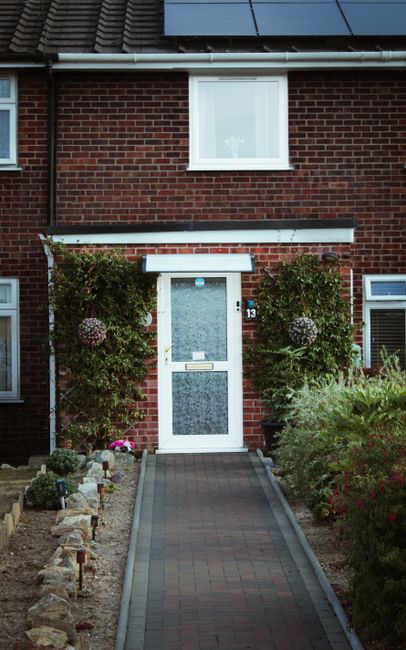
If your front garden feels too small to do much with, you are not alone. In Highams Park and across Chingford, plenty of homes have compact entrances that need to work hard: they should look welcoming, stay tidy, cope with daily footfall, and not become a constant maintenance headache. That is where Highams Park gardeners small front garden conversions Chingford comes in. Done well, a modest front space can become a neat, low-fuss, attractive first impression that makes the whole property feel better looked after.
Small front garden conversions are not about cramming in as much as possible. They are about making the space feel intentional. A good design can improve kerb appeal, make access easier, reduce weeding, and create a layout that suits how you actually live. In a place like Chingford, where every square metre matters, that balance is often the difference between a patchy front plot and a front garden that quietly lifts the house every single day.
In this guide, we will look at how the process works, what tends to matter most, the common mistakes people make, and how to judge whether a front garden redesign is worth doing now. A little planning goes a long way here. Truth be told, it is often the small front gardens that benefit the most from thoughtful changes.
Why Highams Park gardeners small front garden conversions Chingford Matters
Front gardens do more than decorate a property. They shape how your home feels from the street, how easy it is to access the front door, and how much upkeep you need to keep on top of. For many homes in Highams Park and Chingford, the front plot is not huge, so a vague or cluttered layout can quickly make the whole frontage feel tired.
A small front garden conversion matters because the space is so visible. You see it every day. Visitors see it. Neighbours see it. And, if you are thinking about selling one day, prospective buyers will notice it within seconds. A neat, well-resolved frontage can create that immediate sense of care that people respond to without even thinking about it.
There is also a practical side. Small front gardens often suffer from worn paths, awkward borders, patchy lawn areas, poor drainage, or planting that is too fussy for the space. A conversion gives you a chance to reset the whole thing. Instead of trying to force a big-garden idea into a tiny front plot, you can build around what the space actually needs.
Practical takeaway: a small front garden works best when every part has a job, whether that is access, structure, planting, screening, storage, or simply making the entrance feel calm and cared for.
That is especially relevant in local streets where front gardens vary quite a bit from house to house. Some are shallow and open to the pavement. Some have narrow side access. Some have mature trees or boundary features that influence light and root growth. A good gardener does not fight those conditions; they work with them.
How Highams Park gardeners small front garden conversions Chingford Works
At a simple level, a front garden conversion is a process of reassessing the space and redesigning it so it looks better and functions better. In practice, it usually starts with a site visit or a proper conversation about how you use the space now, what annoys you, and what outcome you want. That sounds obvious, but it is often where the useful work begins.
A local gardener or landscaper will usually look at the existing ground level, drainage patterns, sunlight, shade, boundary lines, access points, and any practical constraints. Then they will suggest a layout that fits the space. For a small front garden, that could mean replacing a tired lawn with hardwearing paving and planting beds, creating cleaner edging, adding low-maintenance shrubs, or reshaping the entrance so it feels more open.
Some projects are light-touch. Others are more involved. A conversion may include clearing old materials, removing overgrown plants, improving soil, laying new surfaces, reworking paths, trimming hedges, or adding vertical planting for visual interest. If you need a fuller tidy-up before the redesign begins, services such as garden clearance or a long-term garden maintenance plan can help set the groundwork.
In our experience, the best projects do not start with flashy ideas. They start with clear questions: Do you want less maintenance? Better privacy? More structure? A smarter entrance? Once those answers are clear, the design usually falls into place more easily. Not always instantly, mind you, but it gets there.
Key Benefits and Practical Advantages
Small front garden conversions offer a surprisingly wide range of benefits. Some are obvious; others only become clear after the work is done and you are living with the new layout for a few weeks.
- Improved kerb appeal: A tidy, balanced front garden makes a home look cared for, which changes the feel of the whole property.
- Less ongoing maintenance: Replacing awkward planting or high-upkeep lawn with simpler surfaces and better-chosen plants can save time every week.
- Better access: Clearer paths and smarter turning space make coming and going much easier, especially with prams, shopping, or bins.
- More usable layout: Even a small plot can feel more functional when it is divided deliberately rather than left as leftover space.
- Better seasonal performance: Good planting can keep the front garden looking interesting across the year, not just for a few weeks in spring.
- Better privacy or screening: Carefully placed planting can soften views into the property without making it feel closed off.
There is another advantage that people sometimes underestimate: peace of mind. If the garden is designed sensibly, you stop worrying about whether it looks messy every time you walk past the window. That small background relief matters more than people expect. Let's face it, nobody wants to spend a Saturday morning chasing weeds in a front strip that never quite looks finished.
A well-planned conversion can also support sustainability goals. That might mean using materials that last, choosing plants that suit the site, or reducing waste by reusing good existing features. If that angle matters to you, you may also want to look at recycling and sustainability as part of the project planning.
Who This Is For and When It Makes Sense
This kind of work is not just for people with large budgets or big ambitions. In fact, small front garden conversions often make the most sense for ordinary homes that need a neat, practical reset.
You may be a good fit if any of these sound familiar:
- Your front garden is mostly unused and could be doing more for the house.
- You are tired of constant weeding, mowing, or general tidying.
- The entrance feels cramped, awkward, or a bit unwelcoming.
- Drainage is poor and the space looks muddy after rain.
- You want to improve the front without turning it into a full landscape project.
- The current layout is old-fashioned or simply does not suit the property style.
It also makes sense if you are preparing a house for sale or letting, because first impressions are powerful. A front garden does not need to be elaborate to be effective. Clean lines, healthy planting, and a sensible path can be enough to make the property stand out for the right reasons.
On the other hand, if the front area is already working well and only needs light maintenance, a full conversion may be unnecessary. Sometimes a trim, re-edging, and sharper planting structure will do more than a complete overhaul. A good gardener should say that plainly. There is no prize for overdoing it.
Step-by-Step Guidance
If you are thinking about a small front garden redesign, it helps to break the job into sensible stages. That keeps decisions manageable and reduces the risk of doing something expensive that looks fine on paper but feels wrong in real life.
-
Assess the existing space.
Start with the basics: what works, what does not, and what you want to keep. Check the condition of the path, boundary edges, soil, and planting. A damp patch under the window, for example, might be telling you something important about drainage or shade.
-
Define the main purpose.
Do you want the front garden to be mostly low-maintenance, more decorative, more private, or easier to walk through? A small space usually needs one clear priority, maybe two. More than that and the design gets muddled very quickly.
-
Decide what to remove.
Old turf, tired borders, broken edging, and awkward features may need to go. Clearing the space properly can be half the job. If the garden is overgrown or full of unwanted debris, a garden clearance step can save a lot of frustration later.
-
Plan the new layout.
Sketch the path, planting areas, and any hard surfaces. For small gardens, proportion matters more than people think. Wide slabs, oversized features, or too many materials can make the space look chopped up.
-
Choose materials and planting.
Pick surfaces that are practical and plants that suit the light, soil, and exposure. A front garden that faces a busy road may need tougher planting than a sheltered one. If you want a stronger vertical element, you could also think about layering the planting for depth rather than crowding everything at ground level. A useful reference point is adding vertical interest with tall container planting.
-
Build in the details.
Edging, level changes, lighting, and tidy finishes matter. These are the parts people notice when they are walking up to the door. Small details can make the whole thing feel expensive and well considered, even if the overall design is fairly simple.
-
Set up maintenance from the start.
Once the work is done, decide how the space will be looked after. A beautiful front garden that becomes neglected after six months is not really a win. A light-touch maintenance routine is often enough to keep it sharp.
A sensible conversion should feel calm at the end, not busy. If it feels like there is always something shouting for attention, the layout probably needs a rethink.
Expert Tips for Better Results
Some of the best front garden results come from restraint. That may sound a bit dull, but honestly it is true. Small spaces often improve when they stop trying to do too much.
Keep the number of materials low. Two or three well-chosen surface or edging materials are usually enough. Too many textures can make a compact frontage feel restless.
Use repetition. Repeating plants, colours, or edging styles gives a small garden rhythm. One plant repeated in the right way often looks smarter than six different plants squeezed together.
Think about the view from inside the house. The front garden is not just for passers-by. You see it from the hallway, the front room, maybe the kitchen. If the view is cluttered, you will feel it every day.
Respect the light. Front gardens in urban streets can be surprisingly shaded by fences, walls, or nearby trees. Choose planting that copes with the actual conditions rather than the conditions you wish you had.
Do not ignore the boundary. A neat hedge, low fence, or clean edge can transform the sense of structure. If the boundary is part of the issue, a service such as hedge trimming may be a simple but high-impact starting point.
Design for the weather. Chingford rain, winter mud, and everyday wear all affect the front of a property. Surfaces and planting should cope with that. It is not glamorous advice, but it saves hassle.
One more thing: do not chase trends too hard. A front garden needs to suit the house, the street, and the people who live there. A clean, sensible design almost always ages better than a dramatic one. Almost always.
Common Mistakes to Avoid
Small front garden conversions can go wrong in predictable ways. The good news is that most of them are avoidable if you slow down before the work starts.
- Overcrowding the space: Too many features, plants, or materials can make the garden feel cramped rather than improved.
- Ignoring drainage: Water pooling near the entrance or path is one of the quickest ways to ruin an otherwise good design.
- Choosing high-maintenance planting: Beautiful plants are not always suitable if you want an easy life. Be honest about how much care you will actually give.
- Forgetting the path: Access should be comfortable, safe, and visually clean. A front garden is not worth much if the route to the door feels awkward.
- Using poor-quality finishes: Cheap materials may save money upfront but look tired quickly, especially in a visible front garden.
- Not thinking about scale: Oversized pots, heavy edging, or large paving units can overpower a small plot.
The biggest mistake is probably this: designing for a fantasy version of your life rather than the reality. If you never have time to deadhead flowers, do not build the whole scheme around flowers that need constant attention. If the front gets a lot of foot traffic, do not make it precious. Simple can be smart.
Tools, Resources and Recommendations
You do not need an enormous toolkit to improve a small front garden, but the right tools and services make the work cleaner and faster.
- Measuring tools: A tape measure and a rough sketch help with layout decisions, especially in narrow spaces.
- Clearance equipment: Sacks, cutters, and basic hand tools are useful when removing old planting or debris.
- Edging tools: Clean edges make a big difference in a front garden, even when the planting is simple.
- Maintenance support: If you want the result to stay sharp, regular care matters more than dramatic follow-up work.
If your project involves more than a tidy-up, it can help to look at related services in a joined-up way. For example, landscape gardening can cover broader design and construction work, while lawn mowing remains useful if you keep a small grass section as part of the layout. For homes where trees are casting too much shade or dropping debris, tree lopping and removal may be relevant, subject to proper checks and permissions where needed.
If you are comparing options or trying to set a budget, it may also help to review the wider pricing and quotes approach before making decisions. That way you are not guessing, which is always a nice change.
Law, Compliance, Standards, or Best Practice
Front garden work in the UK is usually straightforward, but there are still a few things to keep in mind. This is especially true if the conversion involves significant changes to levels, drainage, access, boundary structures, or trees.
If you are altering drainage, hard surfaces, or the layout near the public footway, it is sensible to check what is appropriate for your property and local situation. Planning rules can vary depending on what is being changed, and some work may require permission or careful design to avoid problems later. It is always better to check before digging than after, obviously.
Tree-related work needs extra care. Protected trees, conservation considerations, and root systems can all influence what is possible. If a tree is part of the front garden setting, pruning or removal should be handled cautiously and, where relevant, by a qualified professional who understands the implications.
Best practice also matters for safety. Surfaces should be stable and suitable for foot traffic, edges should be neat, and any work should be carried out with proper attention to site conditions. If you are hiring help, it is reasonable to ask about insurance, working methods, and how waste is handled. A trusted local business should be able to explain this clearly. You should not have to guess.
For general reassurance around standards and working practices, it can be useful to read the site's health and safety policy and insurance and safety information before work begins. If sustainability and waste handling matter to you, the recycling and sustainability approach is also worth reviewing.
Options, Methods, or Comparison Table
There is more than one way to convert a small front garden. The right choice depends on the condition of the space, how much maintenance you want, and how bold you want the change to be.
| Approach | Best for | Pros | Trade-offs |
|---|---|---|---|
| Light refresh | Front gardens that already have a decent structure | Lower cost, quicker turnaround, minimal disruption | May not solve deeper layout or drainage issues |
| Low-maintenance conversion | Homeowners who want less upkeep | Easy to care for, tidy all year, practical for busy households | Needs good material and planting choices to avoid looking sparse |
| Full redesign | Spaces with poor layout, damage, or heavy overgrowth | Most flexible, best for solving multiple issues at once | More planning, higher cost, longer project time |
| Plant-led makeover | Homes where the main goal is softness and visual appeal | Can be beautiful and seasonal, adds life and texture | Needs proper maintenance and careful plant selection |
A lot of people start by assuming they need a full redesign, when actually a lighter approach would solve the problem. Others do the reverse and underinvest, then wonder why the garden still feels unfinished. The sensible answer usually sits somewhere in the middle.
Case Study or Real-World Example
Imagine a typical small front garden in Highams Park: a narrow strip with patchy lawn, a path that has drifted off line over time, one overgrown shrub near the window, and a boundary hedge that has become a little too enthusiastic. Nothing dramatic. Just one of those spaces that looks like it has been left to gather itself for a few years.
A practical conversion might begin with clearance and reduction. The old turf is removed, the awkward shrub is reshaped or replaced, and the path is made more direct and usable. Then the design is simplified into three parts: a clean route to the door, a compact planting area with structure, and a boundary treatment that frames the garden instead of swallowing it.
The final result would not need to be elaborate. In fact, the best version would probably feel calm and slightly understated. A couple of repeated shrubs, some evergreen structure, maybe one or two seasonal plants for colour, and a surface that is easy to keep clean. The whole frontage would look more deliberate, and the house would instantly feel better cared for.
That sort of project is very common for Highams Park gardeners small front garden conversions Chingford work. Small changes can have a big visual effect when the original space is a bit messy or underused. A tidy entrance has a way of making everything else seem more put together, which is lovely really.
Practical Checklist
Use this checklist before starting a small front garden conversion.
- Have you defined the main purpose of the space?
- Do you know which parts of the existing garden should stay?
- Have you checked for drainage issues, shade, or poor soil?
- Is the new layout realistic for the size of the plot?
- Have you kept materials simple enough to avoid visual clutter?
- Are the plants suitable for the actual light and exposure conditions?
- Will the front path be easy and comfortable to use?
- Have you allowed for future maintenance?
- Do you need help with clearance, hedge trimming, or longer-term upkeep?
- Have you checked whether any tree or drainage considerations need special care?
Quick summary: the best front garden conversions are the ones that solve real problems first and add beauty second. That sounds boring, but it is exactly why they work so well.
If you are at the stage where the front garden needs a proper rethink, speak to a local team that understands both design and maintenance, and ask for a clear explanation of the options rather than a one-size-fits-all pitch. You will usually get a better result that way.
Get a free quote today and see how much you can save.
Conclusion
Small front garden conversions in Highams Park and Chingford are really about making a small space earn its keep. The right changes can improve appearance, reduce maintenance, and make everyday access more pleasant without turning the project into a major upheaval. That is the appeal. It is practical, visible, and immediately useful.
Whether you need a simple refresh or a fuller redesign, the key is to start with the space you have, not the space you wish you had. Once you do that, the decisions become clearer, and the result usually feels more natural too.
For many homes, a front garden does not need to shout. It just needs to feel tidy, welcoming, and quietly well cared for. And honestly, that can make all the difference.
Frequently Asked Questions
What do Highams Park gardeners small front garden conversions Chingford usually include?
They often include clearing old plants or debris, reshaping the layout, improving paths or edges, choosing suitable planting, and creating a more low-maintenance or attractive frontage. The exact scope depends on the condition of the garden and the result you want.
How much work is needed for a small front garden conversion?
It can be as light or as involved as you need. Some projects only need tidying, edging, and new planting. Others involve clearance, new surfacing, drainage improvements, or boundary changes. A good gardener will tailor the work to the site rather than pushing a bigger job than necessary.
Is a small front garden conversion worth it?
Often, yes. Small front gardens can make a strong first impression, and improving them can reduce maintenance while making the property feel more polished. The value comes from both practical use and visual impact.
Can a front garden be made low-maintenance without looking plain?
Absolutely. The trick is using structure well: repeated planting, tidy edges, evergreen support, and a clean layout. Low-maintenance does not have to mean bare or boring. In fact, the best versions usually look quite elegant.
What should I do if the front garden has drainage problems?
Drainage should be looked at early, before surface or planting choices are fixed. Pooling water, soggy soil, or washed-out areas may need a better sub-base, improved levels, or a change in planting approach. It is one of those issues that is easier to solve before everything is finished.
Do I need permission to change my front garden?
Not always, but it depends on the work involved. If you are making significant changes to levels, drainage, access, or tree-related features, it is sensible to check what applies to your property. Always treat the planning side carefully rather than assuming everything is fine.
What plants work well in a small front garden?
Plants that suit the light, are not too sprawling, and can be maintained without too much fuss are usually the best choice. Structure is often more important than variety. A few well-chosen shrubs or container plants can do more than a crowded border full of mixed species.
How long does a front garden conversion take?
That depends on the scope of the job. A light refresh may take very little time, while a more complete redesign can take longer because of clearance, material preparation, and finishing. Weather can also affect the schedule, especially in wetter months.
Will a small front garden conversion increase kerb appeal?
Usually, yes. A neat path, balanced planting, and tidy boundaries can immediately improve how the house is perceived. It is one of the most direct ways to make a property look cared for from the street.
What is the most common mistake people make with small front gardens?
The biggest mistake is overcomplicating the space. Too many materials, too much planting, or a layout that tries to do everything usually makes the garden feel smaller. Simplicity often creates the strongest result.
Should I keep some grass in a small front garden?
Sometimes, but only if it genuinely works. A tiny lawn can be more trouble than it is worth, especially if it is awkward to mow or often shaded. In many small front gardens, a more durable surface with well-planned planting is the better option.
How do I know whether I need design help or just maintenance?
If the space already has a sensible layout and just looks tired, maintenance may be enough. If the path feels awkward, the planting is wrong for the site, or the space is not functioning well, a conversion or redesign is probably the better route. A brief site assessment usually makes that clear pretty quickly.